Introduction
Dysphagia, or trouble swallowing, can considerably influence an individual's quality of life. It impacts not only the person experiencing it however likewise their caregivers and doctor. As such, dysphagia education is important for anybody associated with the care of people with this condition. This short article will certainly look into the value of dysphagia education, particularly for carers and care personnel, highlighting just how dysphagia training can result in improved patient results, higher self-confidence levels amongst caretakers, and enhanced support systems.
What Is Dysphagia?
Dysphagia is a medical term that refers to problems in ingesting. This problem can result from various issues, including neurological problems like stroke or Parkinson's disease, structural abnormalities, or perhaps maturing. Individuals with dysphagia may experience:
- Pain while swallowing A feeling of food obtaining embeded the throat or chest Coughing or choking during meals Regurgitation
Understanding these signs and symptoms is vital for giving efficient care.
Types of Dysphagia
There are two primary sorts of dysphagia:
Oropharyngeal Dysphagia: This includes difficulty moving food from the mouth to the esophagus. Esophageal Dysphagia: This relates to troubles in the esophagus avoiding food from passing into the stomach.Each type requires different strategies for reliable management.
Why Is Dysphagia Education and learning Important?
Education plays a critical duty in structure confidence amongst caretakers. When care staff are knowledgeable concerning dysphagia, they can offer much better assistance and develop much safer atmospheres for those affected.
Enhancing Treatment Quality
By receiving dysphagia training, care personnel learn exactly how to identify indicators of dysphagia and respond properly. This understanding assists avoid difficulties such as choking or goal pneumonia.
Promoting Person Safety
Training courses focused on dysphagia equip caretakers with abilities to make certain client safety and security during meals. They discover proper positioning, food texture modification, and hydration strategies.

Building Confidence in Treatment: The Requirement of Dysphagia Education
When caregivers have confidence in their capability to handle dysphagia effectively, it straight profits their clients. Self-confidence causes aggressive methods instead of responsive measures.
Empowering Carers Through Knowledge
Dysphagia education equips caretakers by giving them with essential info that debunks the condition. Recognizing its ins and outs permits them to feel even more experienced in their roles.
Reducing Stress and anxiety Amongst Treatment Staff
Knowledge lowers unpredictability and anxiousness among care staff when managing individuals that have dysphagia. With extensive training, they end up being skilled at managing challenging situations comfortably and efficiently.
Components of Reliable Dysphagia Training
To develop a robust understanding of dysphagia, training programs need to include various parts:
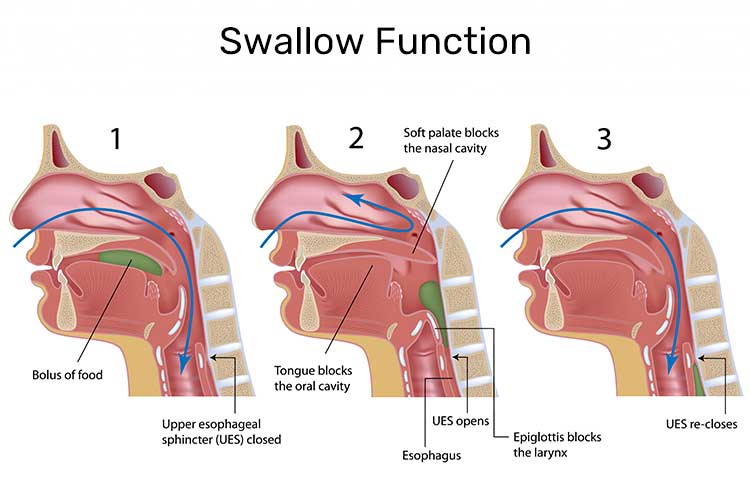
Anatomy and Physiology: Understanding the swallowing process. Assessment Techniques: Just how to review a client's swallowing ability. Intervention Techniques: Techniques for risk-free feeding practices. Emergency Methods: Readiness for possible difficulties like choking.
Curriculum Growth for Dysphagia Training Courses
Developing a curriculum that incorporates all aspects of dysphagia is critical for effective training courses focused on nurses and treatment staff.
|Educational program Element|Description|| ---------------------------|-------------------------------------------------------|| Composition of Swallowing|Detailed overview of pertinent anatomy|| Indications & & Signs|Identification of different sorts of dysphagic symptoms|| Safe Feeding Practices|Methods ensuring client safety and security during meals|| Emergency situation Feedback|Treatments to adhere to in situation of choking occurrences|
Target Target market for Dysphagia Training Programs
Identifying the target market is important when creating a dysphagia training program:
Carers: Relative or non-professional caregivers who assist individuals with dysphagia. Care Personnel: Professional caregivers operating in assisted living centers or nursing homes. Healthcare Professionals: Nurses and specialists associated with individual rehabilitation.Tailoring Material to Various Audiences
Content must be customized based on the audience's background knowledge and responsibilities regarding client care.
Implementation Techniques for Dysphagia Training
To successfully execute a dysphagia training program within a healthcare center or area setting:
Conduct requires assessments Develop partnerships with local health organizations Utilize online sources alongside face-to-face training sessionsUtilizing Modern technology in Training Programs
Incorporating modern technology can improve discovering experiences via interactive modules, video clips showing methods, and virtual simulations that imitate real-life scenarios.
Click for moreBenefits of Dysphagia Training for Carers and Staff
The advantages expand past plain understanding acquisition; they include substantial advantages that boost general caregiving experiences.

Improved Interaction Skills
Training motivates far better communication in between caregivers and medical care specialists regarding nutritional requirements and adjustments in people' conditions.
Enhanced Team Collaboration
Effective training promotes team effort among multidisciplinary teams associated with patient care strategies dealing with swallowing difficulties.
Building Confidence Through Continual Education
Dysphagia education should not be a single occasion; recurring discovering opportunities are necessary for keeping caregiver competency.
Continuing Specialist Advancement (CPD)
Emphasizing CPD ensures that carers stay updated on best methods related to nutritional management for individuals with dysphagic issues.
FAQs on Dysphagia Education
What prevail causes of dysphagia?- Common creates consist of neurological conditions (like strokes), structural problems (like tumors), muscle conditions (like ALS), or even aging-related changes.
- Look for accredited programs offered by specialist nursing associations or local wellness organizations focusing on geriatric care.
- Yes! Numerous companies use online programs covering different aspects connected to managing people with ingesting difficulties.
- Absolutely! Alterations frequently consist of thickened fluids or soft foods customized according to individual analysis results.
- Definitely! Member of the family play an important duty in caregiving-- education and learning aids them recognize how ideal they can assist their enjoyed ones while guaranteeing safety throughout mealtimes.
6. What sources are available after finishing a course?
- Graduates typically get accessibility to support networks using professional associations where they can proceed learning about current research findings or involve peer support system concentrated on ongoing difficulties faced by individuals coping with this condition.
Conclusion
In verdict, building confidence via thorough education on dyspahgia is not just useful; it's crucial for providing top quality care that promotes safety and boosts quality of life for those affected by ingesting difficulties. By spending time into reliable programs such as " Dysphaiga Training For Carers," " Dysphaiga Care Training," " Dysphaiga Training Courses, "" " Dysphaiga Support," we equip both caregivers & & experts alike towards attaining ideal results!
Through commitment towards regular improvement by means of continuous advancement campaigns, we stand united versus obstacles presented by this facility yet workable problem-- with each other boosting lives one swallow at a time.